How do I know if my roof needs replacing rather than repairing?
The honest test is how often it needs attention. One slipped slate after a storm is a repair. Four call-outs in two winters, slates that crumble when you handle them, sagging between the rafters, or felt that has perished so completely that daylight shows through in the loft, that is a roof asking to be replaced. Callum will go up, look, and give you a straight answer, including the answer that it will see out another ten years and you should keep your money.
How long does a re-roof take?
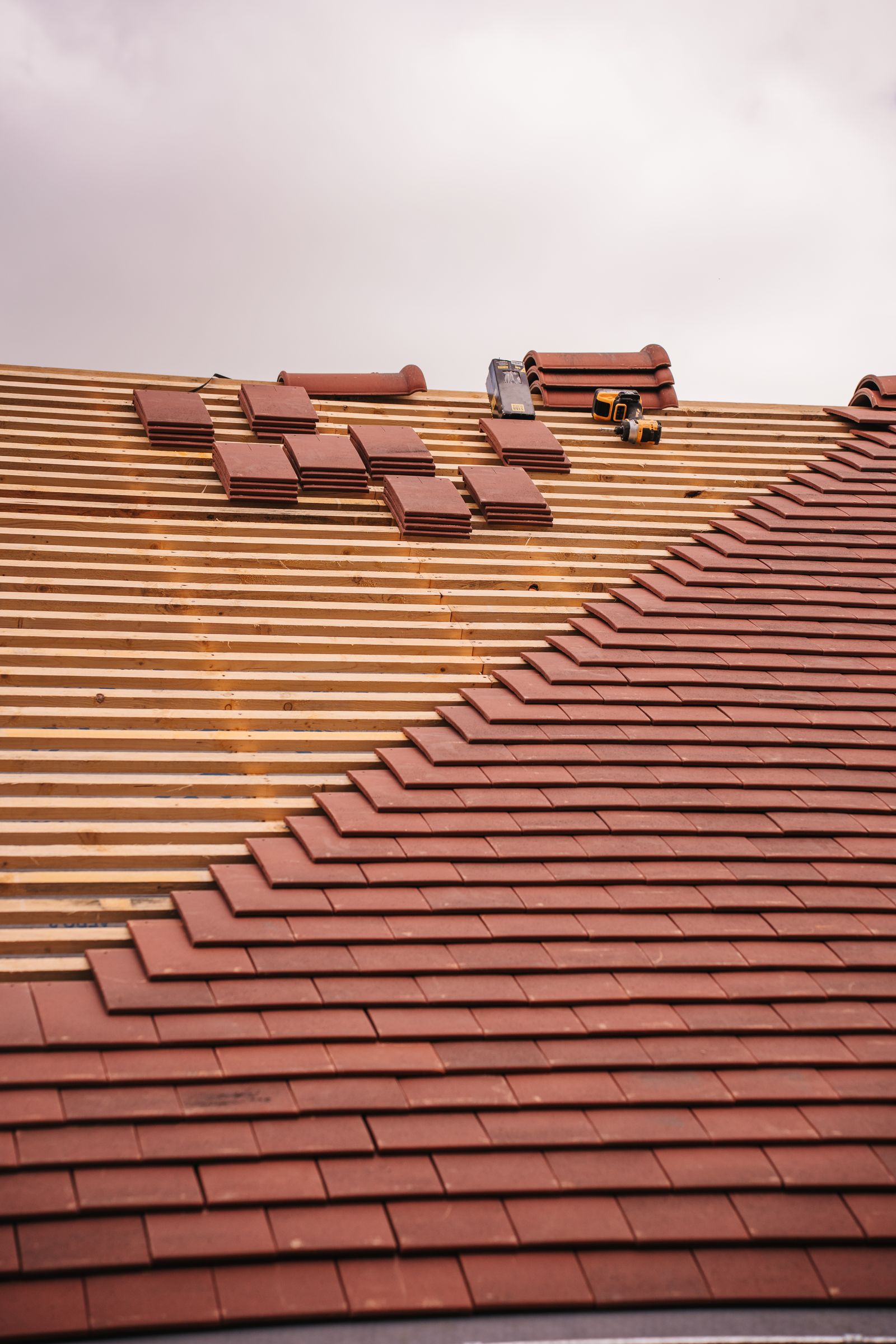
On a normal terraced or semi-detached house in the North East, usually a few days to a week depending on size, pitch, access and weather. Weather is the variable nobody controls: a roof is never left open overnight, so a wet week stretches the job. You will be told the realistic timescale rather than the optimistic one, and if it slips you will hear why.
Will I need scaffolding, and is it in the price?
Yes and yes. A full re-roof cannot be done safely off ladders, so a scaffold goes up and it is included in the quoted price rather than added afterwards. The quote will say what scaffolding is included and roughly how long it will be up for, so there are no separate hire bills landing later.
What happens if you find rotten timbers?
You get told before anything is done about it. Once the covering is off, the timbers are visible for the first time in decades, and on older property some rot at the ends of rafters or in the wall plate is common. Callum will show you what has been found, explain what it needs, and price it separately so you can see exactly what the extra is for. Nothing gets quietly added to the invoice.
Slate or tile, and does it matter which?
It matters for looks, weight and cost. Natural slate suits the older stone and Victorian property around South Shields and Sunderland and will outlast most of us, but it is heavier and dearer. Concrete and clay tiles are cheaper, come in profiles that match most post-war housing, and do a perfectly good job. Some streets also have a planning expectation about matching what is already there, and it is worth checking that before ordering anything.
Do you take the old roof away?
Yes, and it is in the price. A strip generates a serious amount of waste and it goes in a skip on site as the work goes, rather than sitting in your garden for a fortnight. The last job of the week is walking the drive and the borders with a magnet for nails, because that is the part people remember.